Silicon carbide ceramic seals are proving their value in chemical processing operations. These seals handle tough conditions where other materials fail. They resist corrosion from strong acids and bases. They also stand up to high temperatures and pressures. This makes them ideal for demanding industrial environments.
(Silicon Carbide Ceramic Seals Provide Reliable Performance in Chemical Processing)
Many chemical plants face challenges with seal reliability. Standard seals often wear out fast or leak under stress. Silicon carbide offers a better solution. Its hardness and thermal stability help it last longer. Maintenance needs drop as a result. Downtime during production also decreases.
Engineers report fewer failures since switching to silicon carbide seals. The material’s low friction reduces wear on mating parts. It also keeps performance steady over time. Even in slurry or abrasive media, the seals hold up well. This consistency supports safer and more efficient operations.
Manufacturers are now using these seals in pumps, mixers, and reactors. The adoption is growing across sectors like petrochemicals, pharmaceuticals, and wastewater treatment. Users say the upfront cost is offset by long-term savings. Less frequent replacement means lower operating expenses.
Testing shows silicon carbide seals outperform alternatives like carbon or tungsten carbide in harsh chemical settings. Their inert nature prevents unwanted reactions. This protects product purity and equipment integrity. Plants handling sensitive or reactive chemicals benefit most.
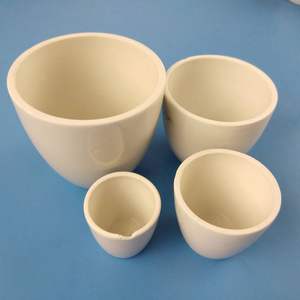
(Silicon Carbide Ceramic Seals Provide Reliable Performance in Chemical Processing)
Suppliers continue to refine production methods. Better quality control ensures uniform performance. Custom designs are also available for specific applications. This flexibility helps meet diverse industry needs without compromising durability.