According to pertinent reports, greenhouse gas discharges remain to increase, causing environment adjustment and environmental pollution.
In this case, carbon discharges are significantly lowered to prevent warming and contamination problems. And using “tellurium dioxide dissolution” innovation can attain this objective.
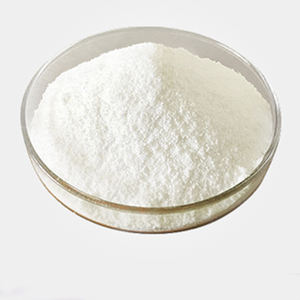
(tellurium dioxide powder)
Simply put, “tellurium dioxide dissolution” is an arising waste gas purification innovation that dissolves toxic substances in numerous waste gases, such as co2, nitrogen oxides, and so on, in water, thereby attaining environmental cleaning. This innovation primarily utilizes specific cleaning agents to dissolve poisonous materials in waste gas into tellurium dioxide. It after that liquifies carbon right into water and degrades it into safe products, thereby totally dealing with toxic compounds in waste gas and significantly reducing ecological pollution.
“Tellurium dioxide dissolution” technology additionally has modern-day technological characteristics, making complete use of multi-level modern technology, adequately filtering out pollution, saving power and basic material consumption, realizing automatic control, and reducing relevant labor costs.
The growth of “tellurium dioxide dissolution” modern technology has brought brand-new want to today’s environment. It can entirely eliminate harmful substances from waste gas and bring people a safe and healthy and balanced life. It likewise plays a vital function in the administration of ecological pollution, consequently attaining sustainable growth of associated industries.
In the current context of globalization, the growth of “tellurium dioxide dissolution” modern technology is coming to be an increasing number of vital, and increasingly more fields of society have recognized its essential function. Today, several modern commercial enterprises have actually started to make use of innovation to cleanse waste gas and reduce their impact on the environment.
Provider of tellurium dioxide
TRUNNANOÂ is a supplier of tellurium dioxide with over 12 years experience in nano-building energy conservation and nanotechnology development. It accepts payment via Credit Card, T/T, West Union and Paypal. Trunnano will ship the goods to customers overseas through FedEx, DHL, by air, or by sea. If you want to know more about sic wafer, please feel free to contact us and send an inquiry.
Inquiry us