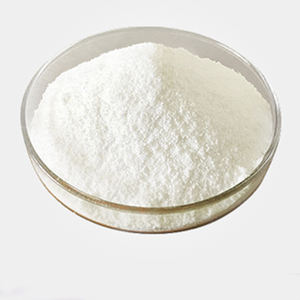
Introduction to Salt Tripolyphosphate
Salt tripolyphosphate (STPP) is a functional compound widely made use of throughout various markets due to its unique properties. As an inorganic substance, STPP plays a vital role in boosting item performance in locations such as cleansing representatives, food processing, and water therapy. This post checks out the multifaceted applications of salt tripolyphosphate and its impact on modern-day market.
(Sodium tripolyphosphate)
Make-up and Manufacturing Process
Salt tripolyphosphate is composed of sodium, phosphorus, and oxygen atoms set up in a particular polyphosphate chain. It is typically produced through the neutralization of phosphoric acid with sodium hydroxide or salt carbonate.
The production procedure includes specific control of reaction conditions to make certain high pureness and top quality. The resulting STPP is available in both anhydrous and hexahydrate forms, each matched for different applications. Its capability to withdraw steel ions and serve as a pH barrier makes it crucial in numerous formulations.
Applications Throughout Numerous Sectors
Salt tripolyphosphate finds its usage in numerous fields as a result of its remarkable homes. In the detergent sector, STPP works as a building contractor that boosts the efficiency of surfactants by softening difficult water and preventing scale formation. In food handling, it functions as an emulsifier and preservative, enhancing texture and life span of products like refined meats and fish and shellfish. Furthermore, in water therapy, STPP aids eliminate heavy steels and controls rust, making certain safe and clean water supplies. Each market take advantage of the versatility and effectiveness of salt tripolyphosphate.
Market Trends and Growth Drivers
The demand for sodium tripolyphosphate is boosting together with the growth of end-user markets. Breakthroughs in making processes improve top quality and decrease expenses. Evaluating makes certain materials do as expected, producing far better items. Business adopting these technologies supply higher-quality offerings. Customer awareness concerning the advantages of utilizing items containing STPP, such as more effective detergents and much safer foods, drives rate of interest. Marketing efforts focus on enlightening customers regarding the benefits of these sophisticated compounds.
Obstacles and Limitations
One obstacle with salt tripopyosphate is ecological problem related to phosphate contamination. Extreme usage can bring about eutrophication in water bodies, affecting water environments. An additional concern is cost volatility because of varying basic material costs. However, the benefits commonly exceed the costs. Products made with STPP last much longer and do much better. Business should demonstrate the worth of STPP to validate its use. Study continues to find lasting alternatives and techniques to alleviate environmental effects. Clear communication about sustainability efforts constructs count on amongst consumers and regulatory authorities.
Future Leads: Technologies and Opportunities
The future looks assuring for sodium tripolyphosphate. Much more study will certainly discover methods to improve its efficiency while attending to ecological issues. Advancements such as controlled-release formulations aim to reduce phosphate runoff right into water systems. As industries seek sustainable solutions, sodium tripolyphosphate will certainly remain to play a vital role. Its ability to give trustworthy and reliable efficiency makes it beneficial. New developments may unlock added applications. The capacity for growth in different markets is significant.
End of Document
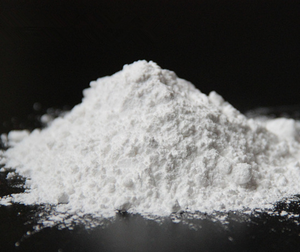
( Sodium tripolyphosphate)
This version simplifies the structure while maintaining the web content expert and informative. Each section focuses on particular facets of sodium tripolyphosphate, making sure quality and convenience of understanding. The write-up aims to highlight the value and versatility of this compound in numerous applications, emphasizing its present importance and future possibility.
Vendor
TRUNNANO is a supplier of Surfactants with over 12 years of experience in nano-building energy conservation and nanotechnology development. It accepts payment via Credit Card, T/T, West Union and Paypal. Trunnano will ship the goods to customers overseas through FedEx, DHL, by air, or by sea. If you want to know more about Chromium Oxide, please feel free to contact us and send an inquiry(sales5@nanotrun.com).
Tags: Sodium tripolyphosphate, STPP, tripolyphosphate de sodium
All articles and pictures are from the Internet. If there are any copyright issues, please contact us in time to delete.
Inquiry us