Introduction to Graphite Anode in Li-ion Batteries
Graphite anodes are essential parts in lithium-ion (Li-ion) batteries. They store and release lithium ions throughout charging and releasing cycles. This process is key for the efficiency and long life of batteries utilized in everything from smart devices to electric vehicles. Understanding the role and capacity of graphite anodes is vital for innovations in battery innovation.
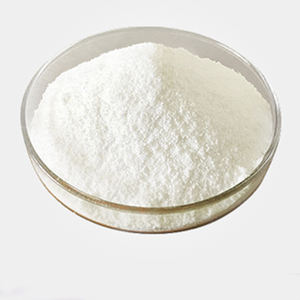
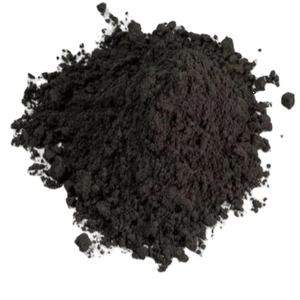
(Graphite Powder)
Composition and Capability
Graphite anodes are made primarily of carbon atoms prepared in layers. These layers can intercalate lithium ions, permitting them to relocate in and out during charge and discharge.
The structure of graphite supplies a secure system for lithium storage space. During charging, lithium ions take a trip from the cathode through the electrolyte to the graphite anode where they insert themselves between the carbon layers. This process is reversible, allowing the battery to be charged numerous times. The efficiency and capability of this intercalation figure out the battery’s performance.
Applications Throughout Various Sectors
Graphite anodes locate applications in numerous markets due to their capability to improve battery efficiency. In consumer electronics, they allow longer battery life and faster billing times for tools like mobile phones and laptops. Electric cars rely on graphite anodes for high power thickness and resilience, critical for long-distance travel. Renewable resource systems make use of these anodes in large-scale battery storage services, assisting stabilize power grids by keeping excess energy produced from solar or wind resources. Each industry gain from the dependability and performance of graphite anodes.
Market Fads and Development Drivers
The need for graphite anodes is increasing as the marketplace for Li-ion batteries broadens. Breakthroughs in producing procedures improve quality and decrease prices. Evaluating guarantees that products perform as anticipated, developing much better products. Companies adopting these innovations offer higher-quality batteries. As more sectors seek efficient power storage space solutions, the need for graphite anodes expands. Customer awareness about the advantages of longer-lasting and safer batteries drives rate of interest in products making use of graphite anodes. Advertising efforts focus on enlightening consumers regarding the benefits of these sophisticated batteries.
Challenges and Limitations
One challenge with graphite anodes is their minimal capacity contrasted to newer materials like silicon. While graphite supplies stability, it can not store as many lithium ions each volume. This limitation affects the total power thickness of batteries. An additional problem is price. High-grade graphite ideal for battery production can be pricey. However, the advantages usually outweigh the expenses. Products made with graphite anodes last much longer and do far better. Firms need to show the value of graphite anodes to validate the rate. Safety and security problems likewise exist, as inappropriate handling or flaws can bring about thermal runaway. Research remains to guarantee risk-free use. Clear interaction regarding safety and security builds trust fund.
Future Potential Customers: Technologies and Opportunities
The future looks promising for graphite anodes. Much more research will find ways to improve their efficiency. Technologies such as hybrid anodes integrating graphite with silicon goal to increase capability while keeping stability. As markets look for better power storage space services, graphite anodes will certainly play an essential function. Their capacity to give dependable and durable efficiency makes them useful. New growths may open extra applications. The potential for development in numerous fields is substantial.
End of Document
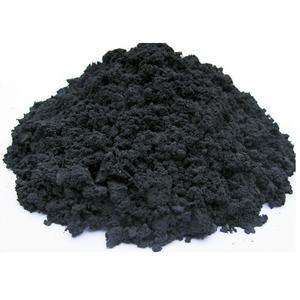
( Graphite Powder)
This short article streamlines the framework while keeping deepness and expertise. It concentrates on details aspects of graphite anodes in Li-ion batteries, guaranteeing clarity and ease of understanding. Each section highlights practical applications and advantages, making the material both insightful and interesting.
Distributor
TRUNNANO is a supplier of Hollow Glass Microspheres with over 12 years of experience in nano-building energy conservation and nanotechnology development. It accepts payment via Credit Card, T/T, West Union and Paypal. Trunnano will ship the goods to customers overseas through FedEx, DHL, by air, or by sea. If you want to know more aboutHollow Glass Microspheres, please feel free to contact us and send an inquiry(sales5@nanotrun.com).
Tags: Graphite Powder, graphite powder price, lubricating graphite powder
All articles and pictures are from the Internet. If there are any copyright issues, please contact us in time to delete.
Inquiry us