1. Material Make-up and Interfacial Design
1.1 Core-Shell Structure and Bonding Mechanism
(Copper-Coated Steel Fibers)
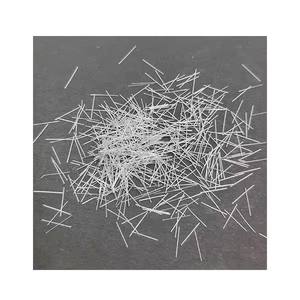
Copper-coated steel fibers (CCSF) are composite filaments including a high-strength steel core covered by a conductive copper layer, forming a metallurgically bound core-shell style.
The steel core, usually low-carbon or stainless steel, offers mechanical effectiveness with tensile strengths exceeding 2000 MPa, while the copper covering– usually 2– 10% of the complete size– conveys exceptional electrical and thermal conductivity.
The interface between steel and copper is important for efficiency; it is engineered via electroplating, electroless deposition, or cladding processes to make sure solid adhesion and very little interdiffusion under functional stress and anxieties.
Electroplating is the most common technique, using accurate thickness control and consistent protection on continual steel filaments attracted via copper sulfate bathrooms.
Appropriate surface pretreatment of the steel, including cleaning, pickling, and activation, makes sure optimal nucleation and bonding of copper crystals, stopping delamination throughout subsequent handling or solution.
With time and at raised temperatures, interdiffusion can develop weak iron-copper intermetallic stages at the interface, which might endanger versatility and long-lasting reliability– a challenge minimized by diffusion obstacles or fast handling.
1.2 Physical and Practical Quality
CCSFs combine the most effective features of both basic steels: the high elastic modulus and exhaustion resistance of steel with the superior conductivity and oxidation resistance of copper.
Electric conductivity commonly ranges from 15% to 40% of International Annealed Copper Criterion (IACS), depending on finish thickness and purity, making CCSF significantly much more conductive than pure steel fibers (
Cabr-Concrete is a supplier under TRUNNANO of Calcium Aluminate Cement with over 12 years of experience in nano-building energy conservation and nanotechnology development. It accepts payment via Credit Card, T/T, West Union and Paypal. TRUNNANO will ship the goods to customers overseas through FedEx, DHL, by air, or by sea. If you are looking for steel fibers manufacturer, please feel free to contact us and send an inquiry.
Tags: micro steel fiber,steel fiber,steel fiber reinforced concrete
All articles and pictures are from the Internet. If there are any copyright issues, please contact us in time to delete.
Inquiry us