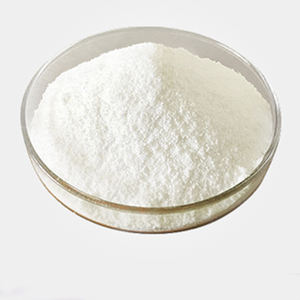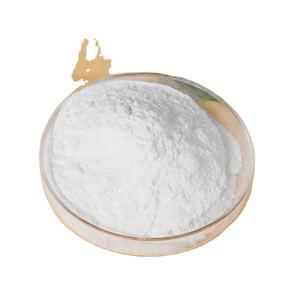
PVA fiber, also known as polyvinyl alcohol fiber, is a water-soluble synthetic fiber. Compared with traditional agricultural materials, agricultural non-woven fabrics made from PVA fibers have many advantages. Firstly, it has good breathability and moisture retention, providing a suitable growth environment for plants. Secondly, PVA fiber non-woven fabric is easy to degrade and does not cause soil pollution, which is very in line with the development concept of green agriculture.
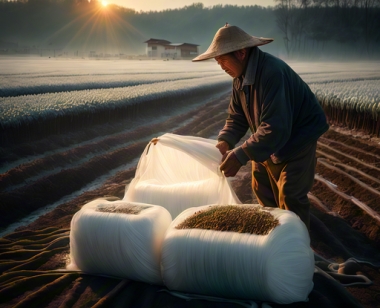
During the seedling stage, PVA fiber agricultural non-woven fabric can provide good protection for seedlings. Its tight texture can prevent seedlings from being damaged by wind and rain while maintaining soil moisture and promoting healthy seedling growth. During the planting stage, PVA fiber agricultural non-woven fabric can improve crop yield and quality. Keeping soil moisture and nutrients helps plants better absorb nutrients, improve disease resistance, and thus achieve a bountiful harvest.
In addition, the use of PVA fiber non-woven fabrics for agriculture has brought many conveniences to farmers. It can reduce the use of traditional plastic films and lower production costs. Meanwhile, due to its biodegradable properties, farmers no longer need to spend a lot of time and workforce cleaning up waste, reducing their labor burden.

PVA fiber, also known as polyvinyl alcohol fiber, is a water-soluble synthetic fiber.
The characteristics of PVA fiber:
- High strength and high modulus: PVA fibers have high strength and modulus, allowing them to effectively withstand external loads and maintain stability in their shape and size.
- Good wear resistance: PVA fiber has good wear resistance, making it suitable for situations that require repeated friction and wear.
- Good chemical corrosion resistance: PVA fiber has good stability to most chemical substances and is not easily corroded.
- Good insulation: PVA fiber has good insulation and is not easily conductive, making it suitable for making insulation materials.
Application of PVA fiber:
- Textile field: PVA fiber can be blended with natural fibers such as wool to make various fabrics, such as sweaters, woolen yarn, knitwear, etc. Its excellent thermal insulation performance and softness have made it widely used in the textile industry.
- Medical and health field: PVA fibers can be made into various medical supplies, such as surgical gowns, bandages, masks, etc. Its good breathability and antibacterial properties make it favored in the medical field.
- Packaging field: PVA fiber has good moisture resistance, mold resistance, oil resistance, corrosion resistance, and other properties and can be used to make various packaging materials, such as bags, films, paper, etc.
- Construction field: PVA fibers can be made into various building materials, such as wall panels, doors, windows, etc. Its excellent insulation and sound insulation performance have made it widely used in the field of construction.
- Agricultural field: PVA fiber can be made into various agricultural materials, such as non-woven fabrics, shading nets, etc. Its good breathability and durability have made it widely used in the farm field.

Supplier
TRUNNANO is a supplier of molybdenum disulfide with over 12 years of experience in the manufacturing of chemical materials. It accepts payments through credit cards, T/T, Western Union transfers, and PayPal. Trunnano will ship the goods to overseas clients through FedEx, DHL, and air or sea freight. If you are looking for high-quality PVA fibers, please feel free to contact us and send us an inquiry.